Environmental Sustainable Design (ESD)
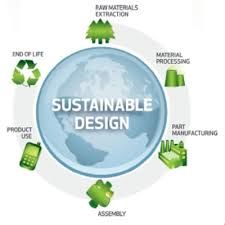
Environmentally Sustainable Design (ESD) and Consulting provide strategic advice and practical solutions to integrate sustainability principles into the planning, design, and delivery of projects. Services focus on reducing environmental impact, improving resource efficiency, and supporting compliance with relevant environmental standards, regulations, and rating tools. The tools used may be: Built Environment Sustainable Scorecard (BESS), Green Star, NABERS, NATHERS, Energy Modelling, ISO14001 and others…
This includes assessment of energy, water, materials, and waste performance; identification of sustainability risks and opportunities; development of environmentally responsible design strategies; and guidance on sustainable construction and operational practices. Consulting services are tailored to suit project objectives, budgets, and regulatory requirements, ensuring sustainability outcomes are both achievable and measurable.
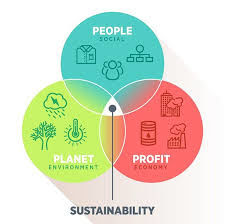
The aim is to deliver resilient, efficient, and environmentally responsible projects that balance environmental performance, regulatory compliance, and long-term value.
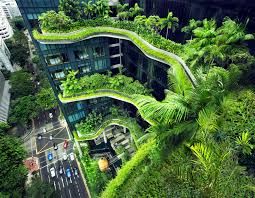
EEC has had involvements in small to large projects. From a single dwelling, multi-unit developments, apartments, mixed-use developments, offices/retails, schools and industrial projects. Some have achieved high ESD verdict and design excellence.
How to achieve high ESD outcomes?
High ESD outcomes are mostly locked in at concept stage.
- Define clear sustainability targets (e.g. NatHERS stars, net-zero, water reduction %, embodied carbon limits)
- Align targets with client values, budget, and planning requirements
- Nominate the rating tools or standards to be used (NatHERS, Green Star, NABERS, ISO 14001 principles)
Without defined targets early, ESD usually becomes “value-managed out”.
2. Integrate ESD into design, not as an add-on
High ESD design works best when sustainability is embedded into decisions.
Key strategies:
- Building orientation and passive solar design
- High-performance building envelope (insulation, glazing, airtightness)
- Efficient spatial planning to reduce energy and materials
- Early collaboration between architect, ESD consultant, services, and cost planner
Think passive first, systems second, renewables last.
3. Prioritise energy performance
Energy is usually the biggest environmental impact.
- Maximise passive heating/cooling
- High-efficiency HVAC and lighting systems
- All-electric design (where feasible)
- On-site renewables (solar PV, batteries where justified)
- Smart controls and sub-metering
Measure outcomes using:
- NatHERS (residential)
- NABERS or energy modelling (commercial)
4. Reduce embodied carbon and materials impact
High ESD goes beyond operational energy.
- Select low-embodied-carbon materials
- Use recycled and locally sourced products
- Design for durability, adaptability, and disassembly
- Minimise waste through efficient detailing and prefabrication
Embodied carbon is becoming a key differentiator in high-quality ESD projects.
5. Optimise water management
- Water-efficient fixtures and fittings
- Rainwater harvesting and reuse
- Stormwater treatment and WSUD
- Drought-resilient landscaping
Water strategies should respond to local climate and regulations.
6. Protect indoor environmental quality (IEQ)
High ESD also means healthy buildings.
- Good daylight and glare control
- Natural ventilation where possible
- Low-VOC materials
- Acoustic comfort and thermal stability
Better IEQ = better occupant health, comfort, and productivity.
7. Use recognised standards and verification
High ESD must be demonstrable and defensible.
- Apply recognised rating tools and benchmarks
- Document decisions and performance assumptions
- Independent modelling, commissioning, and verification
- Post-occupancy evaluation where feasible
What gets measured gets delivered.
8. Ensure delivery on site
Many ESD failures happen during construction.
- Clear ESD requirements in specifications
- Contractor education and toolbox talks
- Environmental Management Plans (ISO 14001 aligned)
- Quality checks for insulation, sealing, and services installation
Design intent must survive construction.
9. Plan for operation and long-term performance
- Simple, user-friendly systems
- Clear building user guides
- Ongoing monitoring and tuning
- Maintenance strategies aligned with sustainability goals
A high-ESD building should perform for decades, not just at handover.
High ESD design is achieved by setting clear targets early, embedding sustainability into core design decisions, verifying performance, and ensuring delivery through construction and operation.